
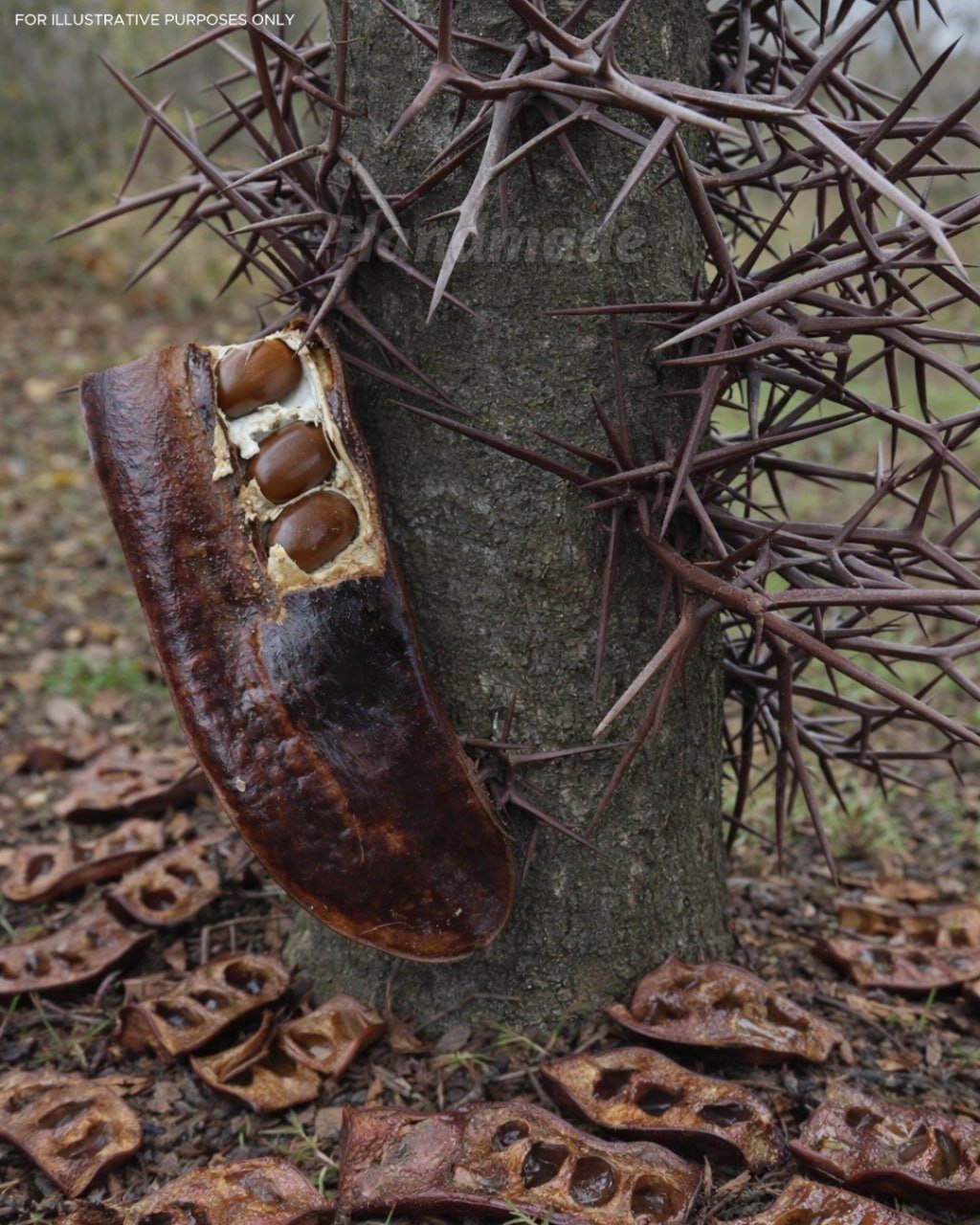
Often overlooked as just another shade tree, the honey locust quietly carries a long history of practical use and natural benefit. Native to North America, this hardy tree supported people for generations—providing food, materials, and even traditional remedies. Though modern life has pushed it into the background, the honey locust still offers surprising value for those who know how to use it wisely.
One of the honey locust’s most notable features is its seed pods. These long, dark pods contain a naturally sweet pulp that was once used as a food source. Indigenous communities and early settlers chewed the pulp or turned it into simple syrups and drinks. The sweetness comes from natural sugars, making it an early alternative to refined sweeteners.
Beyond food, the honey locust has long been valued for its strong, durable wood. Highly resistant to rot, it was traditionally used for fence posts, tools, and basic construction. Its toughness made it especially useful in outdoor settings where other woods would decay quickly.
In traditional and homemade practices, parts of the honey locust were sometimes used as natural cleaners or mild soaps. The pods and bark contain compounds that can produce a light lather when mixed with water. While this use is uncommon today, it reflects how people once relied on local plants for everyday household needs.
Environmentally, the honey locust plays an important role. It improves soil quality by adding organic matter, provides shade without blocking too much sunlight, and offers shelter and food for wildlife. Bees are especially attracted to its flowers, making the tree valuable for supporting local pollination.