
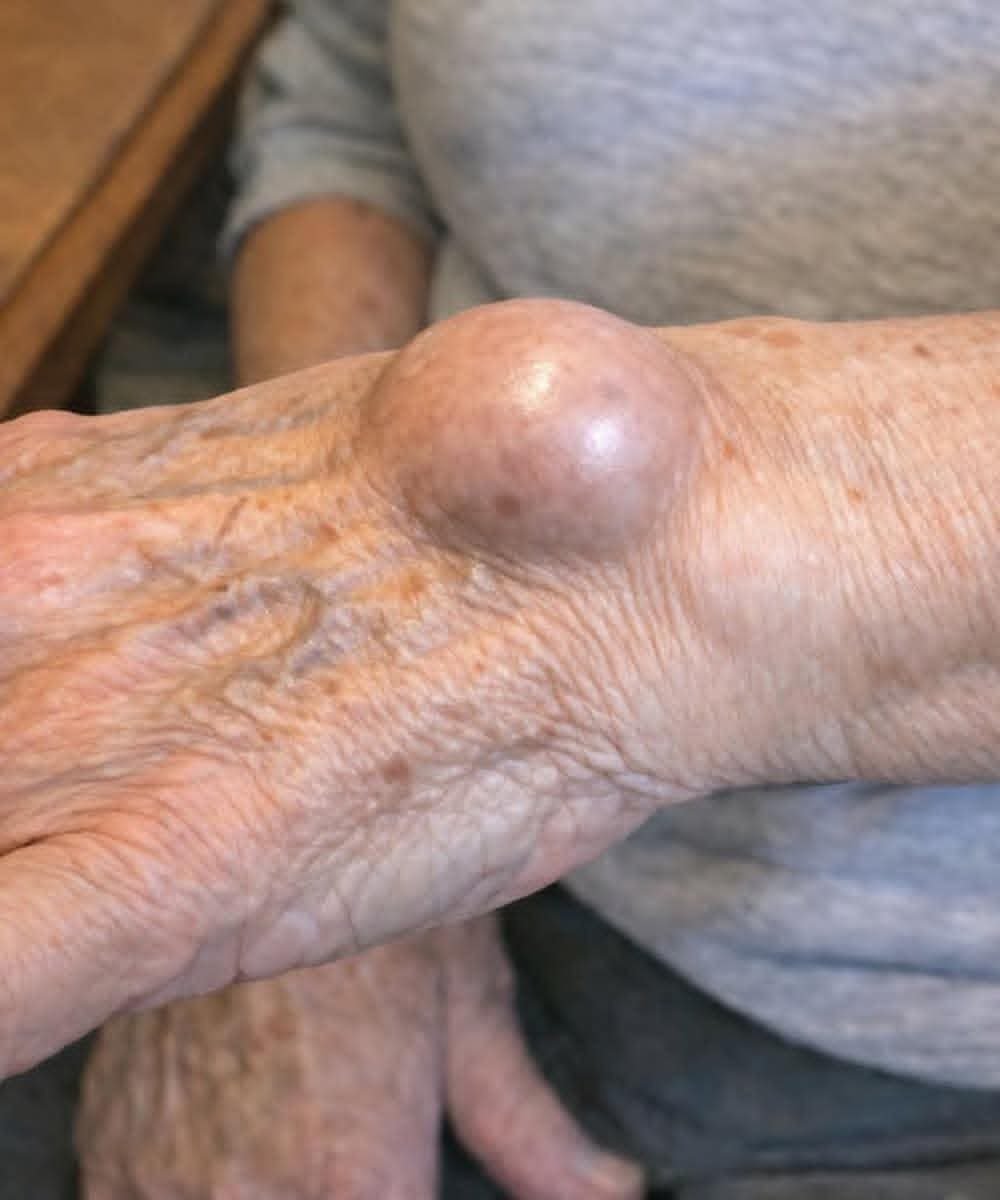
Finding an unfamiliar lump on the wrist can feel unsettling. When a new growth appears without warning, it’s natural to worry about what it might mean for your health. Although it’s easy to fear the worst, the best first step is to stay calm and gather accurate information about what could be causing it.
A variety of conditions may lead to a lump on the wrist, from harmless cysts to more serious concerns. Understanding the range of possibilities makes it easier to decide what to do next. In this article, we’ll review common causes of wrist lumps—especially ganglion cysts, which are among the most frequent explanations—along with other potential causes and signs that require urgent medical care.
1. Why A Sudden Wrist Lump Can Be Alarming
A lump that seems to appear overnight can be particularly worrying because of how quickly it shows up. Rapid physical changes sometimes point to inflammation or fluid buildup, which may signal an underlying issue.
Lumps can differ in size, firmness, and color, and each feature provides clues. A firm, solid mass may suggest something different from a soft, fluid-filled swelling. Recognizing these distinctions helps determine whether the situation calls for immediate medical attention.
2. What A Ganglion Cyst Actually Is
A ganglion cyst is a benign (noncancerous) swelling that most often forms along the tendons or joints of the wrist or hand. These cysts contain a thick, jelly-like fluid and typically measure between 1 and 3 centimeters. They are usually round or oval and may feel either firm or slightly rubbery.
Experts believe ganglion cysts develop when synovial fluid leaks from a joint or tendon sheath and collects in a sac. Although the exact cause isn’t fully understood, they are more common in women and frequently occur in adults between 20 and 40 years old.
3. Classic Signs That Point To A Ganglion Cyst
Ganglion cysts commonly appear as a noticeable bump on the wrist or hand that may grow or shrink over time. They are often painless, but discomfort can occur if the cyst presses against nearby nerves or joints. The overlying skin usually looks smooth, and the lump can often move slightly under the skin.
Sometimes a cyst limits joint motion or causes a dull ache, particularly if it sits near the wrist joint. Its size may also increase after repetitive activity involving that joint.
CONTINUE READING IN THE NEXT PAGE