
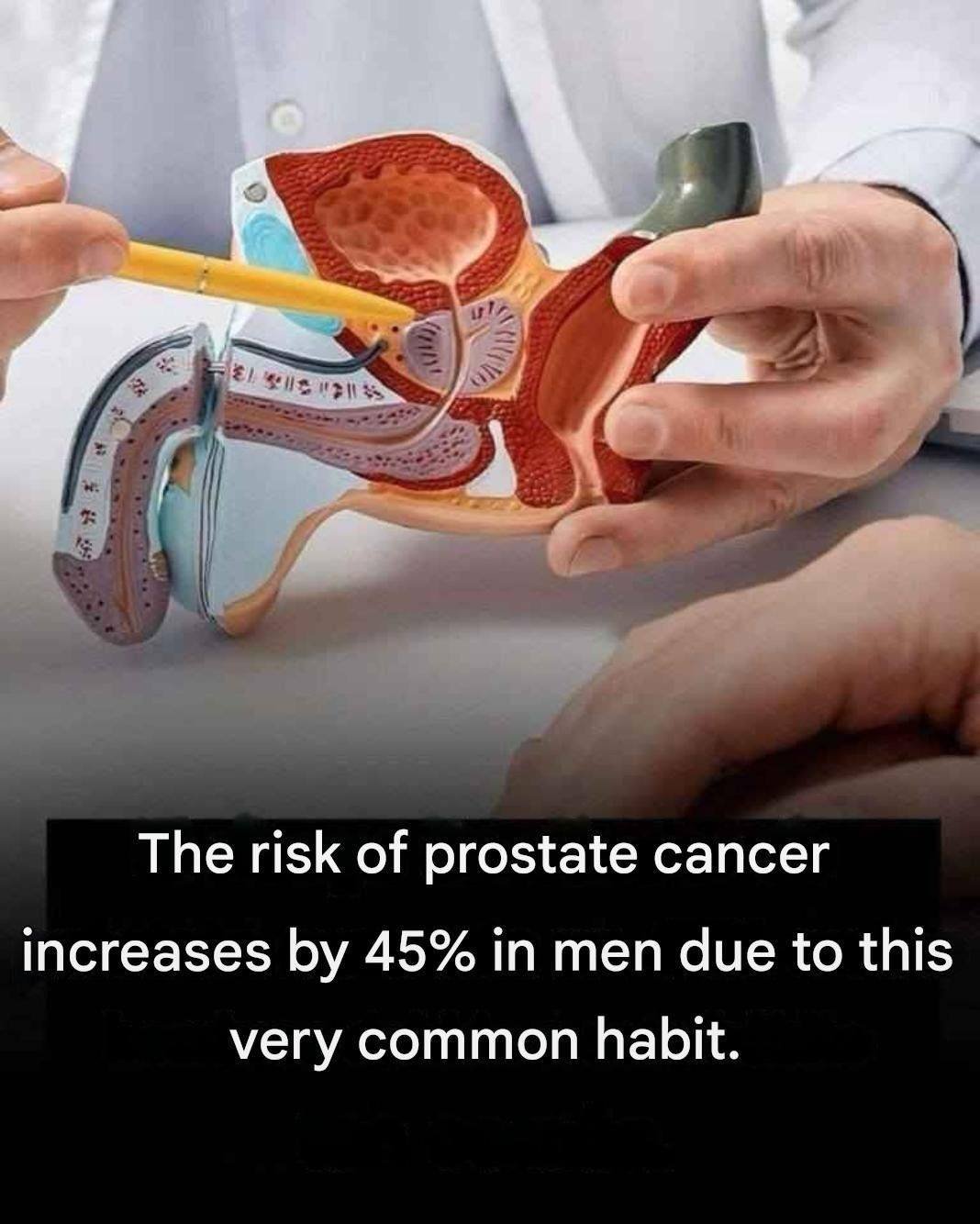
Understand how skipping prostate exams increases the risk of death by 45% and learn simple ways to protect yourself.
Prostate cancer is the most common type of cancer among men in Brazil, but it often progresses without causing harm.
Often, those who feel “fit” think that the exam is only for others, and that’s where the danger lies.
A recent European study showed that men who do not undergo screening tests are 45% more likely to die from the disease.
The logic is simple: if detected early, it is easy to treat; if allowed to proliferate, the tumor can spread to the bones or other organs and complicate everything.
See continues on the next page
Take the opportunity to read as well.
General benefits
of guava
General:
Can ginger cure cancer?
Therefore, treating the PSA test as a routine maintenance check, like changing your car’s oil or getting an annual checkup, is the safest option.
Even those who lead a healthy life, ride bikes on weekends and eat properly need this check-up.
Follow our Telegram channel.
Let’s analyze why the test makes a difference, who should be on alert, and what habits help reduce this risk.
Why screening is crucial:
The PSA (prostate-specific antigen) test is a simple blood test that detects changes in the prostate before any symptoms appear.
The earlier cancer is detected, the greater the likelihood of curative treatment with less impact on quality of life. Ignoring the PSA test is like driving with your hazard lights on: everything seems fine… until it isn’t.
What happens when diagnosis is delayed?
The tumor can invade the bones, bladder, and lymph nodes.
Surgeries become more complex and risky.
Treatments such as hormone therapy or chemotherapy are required.
Survival rates drop dramatically within a few years.
Who is at higher risk?
Factors that require closer monitoring:
Age: After age 50, the risk increases rapidly.
Family history: A parent or sibling with an early diagnosis increases the likelihood.
Ethnicity: Black men have higher rates of incidence and mortality.
Lifestyle: A diet high in animal fats, a sedentary lifestyle, and smoking contribute to the risk.
If you meet any of these criteria, consult a urologist starting at age 45.
Habits that help prevent disease:
Adopting small changes makes a difference in the long run:
Talk to your doctor and agree on the frequency of PSA tests and digital rectal exams.
Stay active: walking or cycling for 30 minutes a day improves circulation and hormonal balance. Eat
a varied and colorful diet: vegetables, fruits, whole grains, and oily fish reduce inflammation.
Moderate your consumption of alcohol and red meat: less saturated fat means less tumor stimulation.
Pay attention to symptoms: frequent urination, a weak stream, or pain requires medical evaluation.
Frequently asked questions:
From what age is the PSA test recommended?
Generally at age 50, or at age 45 if there is a family history or if you are Black.
Does prostate cancer always cause symptoms?
No. In its early stages, it is usually asymptomatic; that’s why screening tests are essential.
Does a high PSA level necessarily mean cancer?
Not necessarily. Infections or benign prostatic hyperplasia can also raise PSA levels. The urologist will perform additional tests before making a diagnosis.
Does exercise really help prevent prostate cancer?
Yes. Physical activity regulates hormones and reduces inflammation, factors linked to tumor development.
Prostate cancer not only affects those who lead a sedentary life or have bad habits, but also men considered “super healthy” who, by trusting their own bodies too much, neglect screening tests.
Including PSA in your annual calendar is a simple investment that can save you decades of active and fulfilling life.